
“Japan is a nation forged on fire. In Nagano, ice and fire are never opposing forces but two halves of a holistic ritual that has endured the test of time”
Thick white steam fumes seeped from the corners of alleys, roof vents and street drains. An entire village look almost ethereal.
The “click clack” of clogs echoed through the quiet streets. Men and women dressed in light weight “yukatas”, once donned by nobles, scurried heartily on cobbled streets.
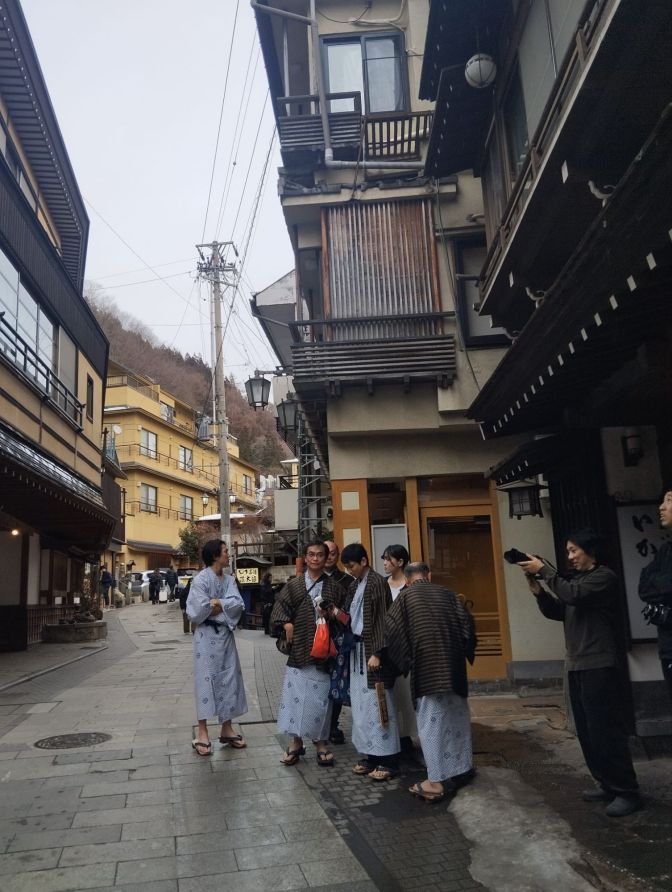
For the hundreds of thousands tourists flocking to Nagano’s famous peak at Shiga Kogen for its high octane, olympic calibre slopes, the hot spring villages “onsens” is where sub-zero crisp air gives way to the rising hot steam of a Japanese hot bath at the foot of the mountain.
Nagano Onsens : Where Modern Day Skiers Walk The Parallels Of Ancient Samurais
More than just a bath, Nagano’s onsens are symbolic of a winter pilgrimage.

Nagano used to be a temple town and was a popular pilgrimage destination. Bathing was part of a spiritual and religious ritual and has been closely rooted to the origins of Buddhism and Japanese Shinto practices.
Bathing was perceived to cleanse the soul and detach one from past sins. Bath houses were therefore often located either as part of a premise of a temple or dispersed strategically along pilgrimage routes to promote the faith.
Moving on to later years, Nagano evolved to become a samurai town where feudal lords resided, at a time where Japan states were undergoing a constant period of warring conflicts.
The Samurai era saw Japanese bathhouses transformed into secluded, and closely guarded enclaves where war lords recuperated and healed battlefield wounds the region’s highly sought after minerals rich spring waters, away from intruders.
In today’s parallel, the narrative of bath houses has evolved to one of personal wellness and restoration. The skier, a present day warrior walks the same paths of an ancient samurai. Just like how the wounds of ancient samurais were healed in volcanic waters, the same is melting away the physical fatigue and joint strains of a skier.
The Science Of The Onsen Soak
The science of onsens is attributed to the nature of heat therapy, relieving the central nervous system from stressors, leading to deep mental relaxation and lowering of the heart rate. The natural buoyancy and pressure of the water relieve joint strains and improve blood circulation.
There are many different varieties and mineral composition across Japan’s natural springs, each offering distinctive therapeutic effects.
In Nagano for example, the composition of onsens are diverse. There are the sulphur springs containing sodium, calcium and chloride. These waters are known for their shade changing properties shifting between weather changing conditions and minerals oxidation.
Milky white sulphur waters are sought for their therapeutic relief for stiff joints and high blood pressure. Alkaline waters containing bicarbonates are prized for their reputations as “beauty baths”, removing old keratin leaving skins smooth and supple. The carbon dioxide bubbly rich waters are effective for improving blood circulation.
Shiga Kogen’s Nearest Onsen Villages For Apres Ski
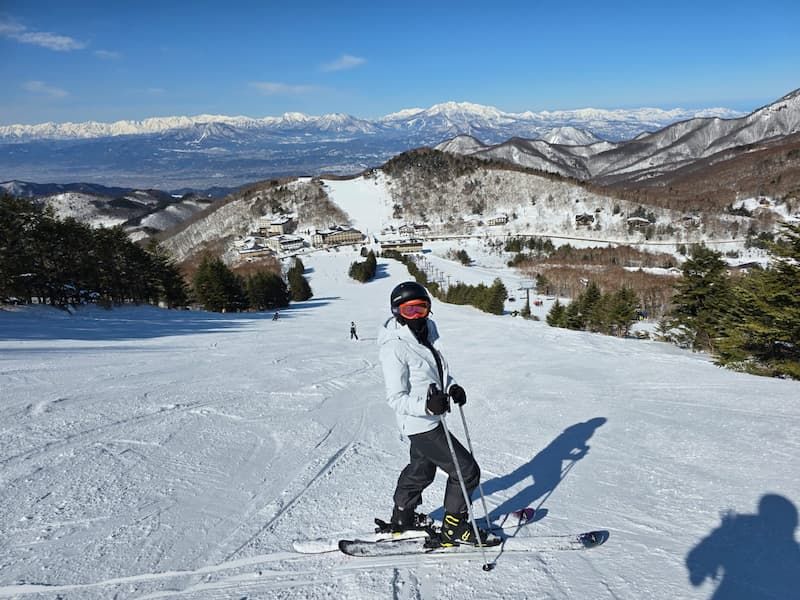
For travelers skiing Shiga Kogen, the nearest hot spring village options nearby are Shibu Onsen and Yudanaka. Both villages are a 30-minute public bus ride away and are historical hot spring enclaves in Nagano. The difference between the two is that Yudanaka has seen more urban developments giving it a more modern atmosphere.
Overlooking the Yoyoku River, Shibu Onsen sits along the river banks with 100% natural thermal water that flows directly to local baths. Shibu Onsen, has retained more of its Edo period charm. Some of the traditional establishments on Shibu Onsen’s narrow quaint streets date back as far as 400 years ago.
Getting To Shibu Onsen

Thankfully getting to Shibu Onsen is not as mythical as it seemed. Located in Yamanouchi town, the village is 50 minutes from Nagano Closest train station – Yudanaka followed by a 5 minute car ride or 20 mins walk.
For travelers coming from Tokyo, a 1 hr 35 mins travel by the JR Shinkansen bullet train from Tokyo station to Nagano station. 4 hours if traveling by car.
A tip to note is that every accommodation at Shibu Onsen provides transportation from Yudanaka Station. ermal
The “Shibu Onsen 9 baths” for example is a popular public bath hopping experience. Nine different public bath houses each with different cure ailments are labelled with numbers.
All travelers staying at any of the inns within the Shibu Onsen vicinity are provided with a master key, attached to an old Japanese emblem wood block key chain to access all the public bath houses. Stamps can then be collected for each entry with the final stamp at the Takayakushi temple.
It is said that good fortune comes to those who visited all the nine bath houses in Shibu Onsen village. A map of the locations and speciality of individual bathhouses can be found here
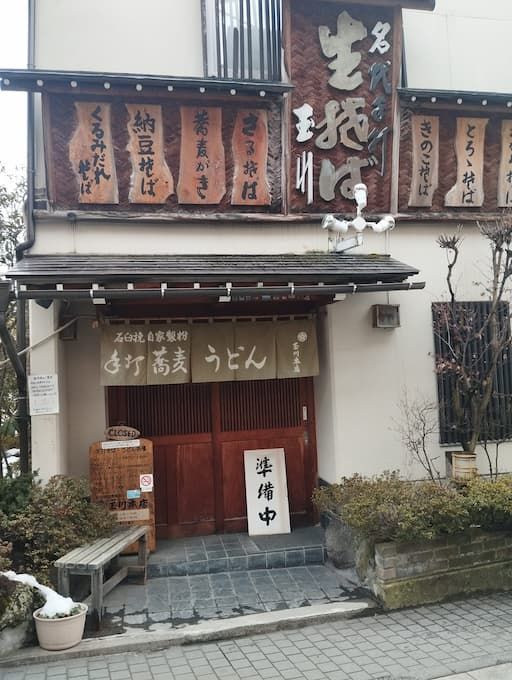
Bath houses aside, along the endless meandering narrow streets, you may encounter a local micro brewery with its own Shiga Kogen label that has gained popularity lately. An old ramen eatery filled with the owner’s private collections of figurines and souvenir items, a quiet dessert and coffee enclave with a separate section partitioned for tatamis and low “Chabutai” tables. There are also many small Japanese snack stores within the vicinity to look out for.
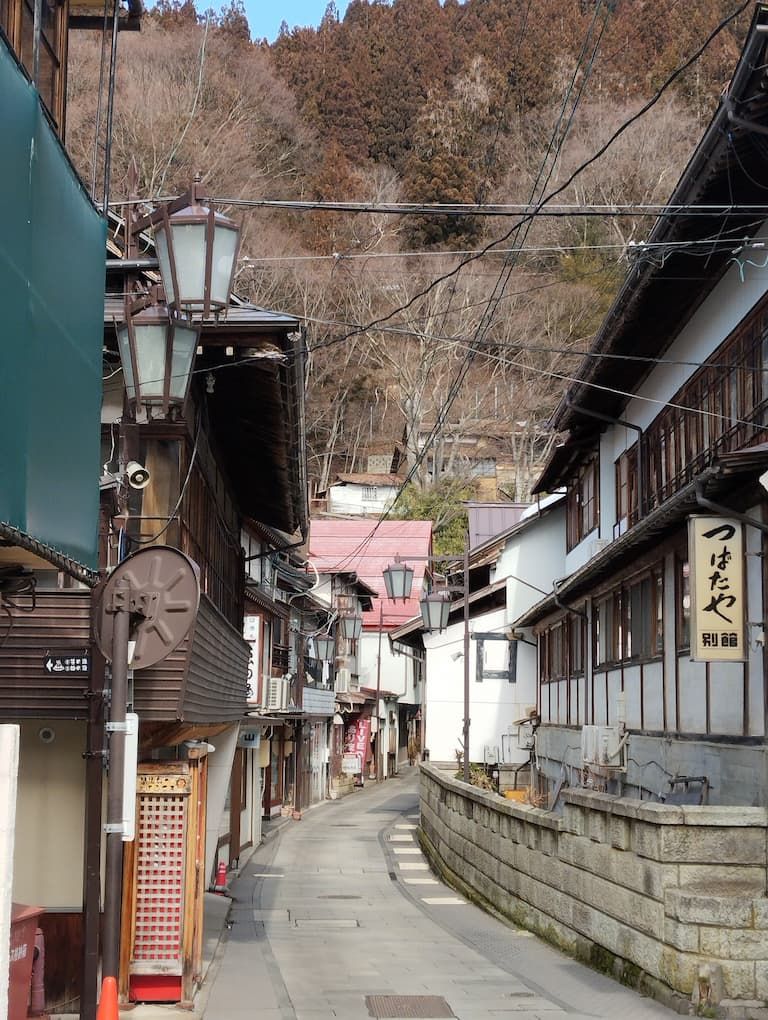
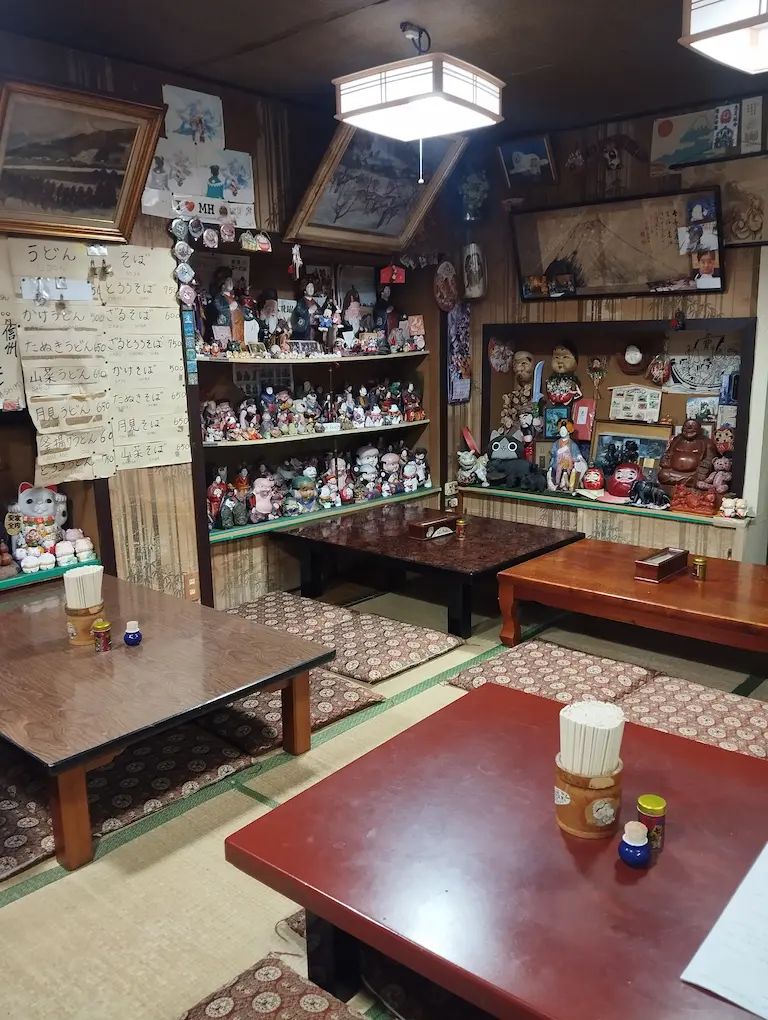
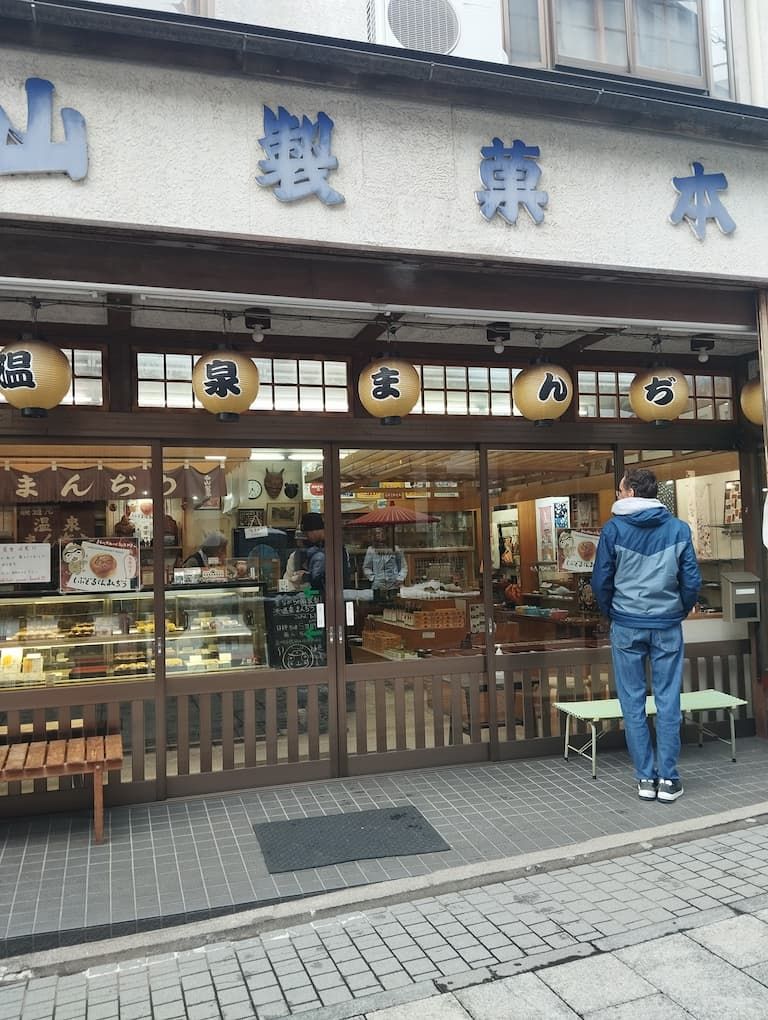
While the physical rejuvenation of the hot soak is underway, a ryokan provides a much needed calming environment, almost meditative, in combination with a well rounded nutrition to tantalize any palate.
Sakaeya, located at Shibu Onsen is an award winning traditional Japanese inn for its impeccable hospitality. The establishment offers a comprehensive range of room options blending tradition with contemporary comfort for travelers. All daily amenities are typically provided for and ideal for light travelers. Sakaeya has both communal and private hot bath options inclusive of both indoor and outdoor concepts whichever that suit travelers’ preference. It is also renowned for its Kaiseki Dining in the Shibu Onsen vicinity

Indulge In A Ryokan Stay, A Cultural Experience Unmatched By Commercial Western Hotel
Ryokans offer none of the things that a normal western commercial hotel offers. Instead, expect a calming drift of woven straw scent mixed with the quiet rustles of sliding shoji paper doors and yukatas sweeping off the tatami mat flooring.
Ryokans are traditional Japanese inns. Checking into a ryokan feels almost like an otherworldly experience. A sense of tranquility that is undeniably deeply rooted in heritage and historical elegance.
Ryokans’ history can be traced back to their role as basic lodgings providing shelters for pilgrims, merchants and government officers as early as the 8th century. When traveling proliferated during the Edo period, these establishments grew and evolved to become the ryokans we know today and are amongst the oldest forms of hotel accommodation in the world. Today, ryokans are sought after for their cultural and wellness experience where meticulous hospitality lie at its core.
Tatamis (straw mat flooring) and Futons (traditional Japanese mattresses) are distinctive room features in a Ryokan and were traditionally laid out on the floor to sleep on.
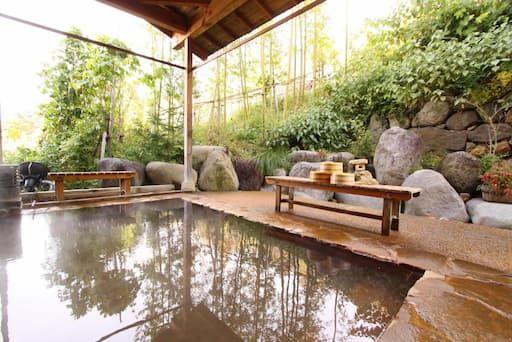
Options of private and public communal baths are available in most, if not all Ryokans. Some offer private onsens in the form of open bath, surrounded by ethereal landscaping complete with water features, artfully designed plants, garden stones and pebbles arrangements, enveloped in nature’s wilderness and with complete privacy.
Ryokans are also known for their strict etiquette rules. This includes no outside shoes policy within the premises at all times. Guests are also expected to observe proper onsen etiquettes throughout their stay.

Traditional Kaiseki Dining – A Defining And Highly Anticipated Culinary Event

If dining at a ryokan feels more like a cultural ritual than eating, it probably is. Meals are defining features at ryokans. A multi course of 10-15 artfully curated dishes featuring a cornucopia of both regional and seasonal fresh ingredients, gradually unfolding on refined lacquer platters throughout the course of the meal.
Kaiseki dinings fully encompass the practice of “Omotennashi” a Japanese philosophy of heartfelt hospitality, making it a highly anticipated culinary apres-ski event that every skier will look forward to.
Ryokans near coastal regions will focus more on fresh seafood while one near mountains will offer more of river fishes and aquatic vegetables.
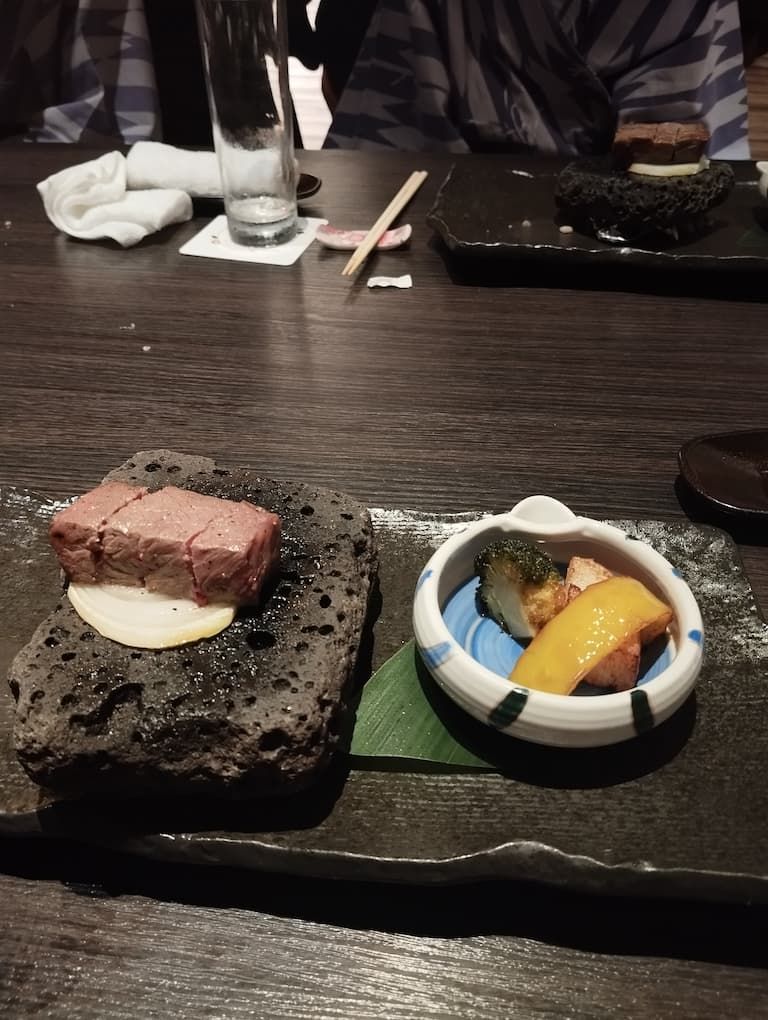
Meal progression typically follows the rhythm of appetizers comprising of a fusion of hot and cold dishes, followed by a hotpot of poultry and vegetables. A platter of raw fish (sashimi), a simmered dish, a hot grilled dish, cooked on lava stones before a grand finale of Japanese rice and miso soup, sometimes prepared in accordance to an imperial recipe or ritual. A light dessert concludes the course.
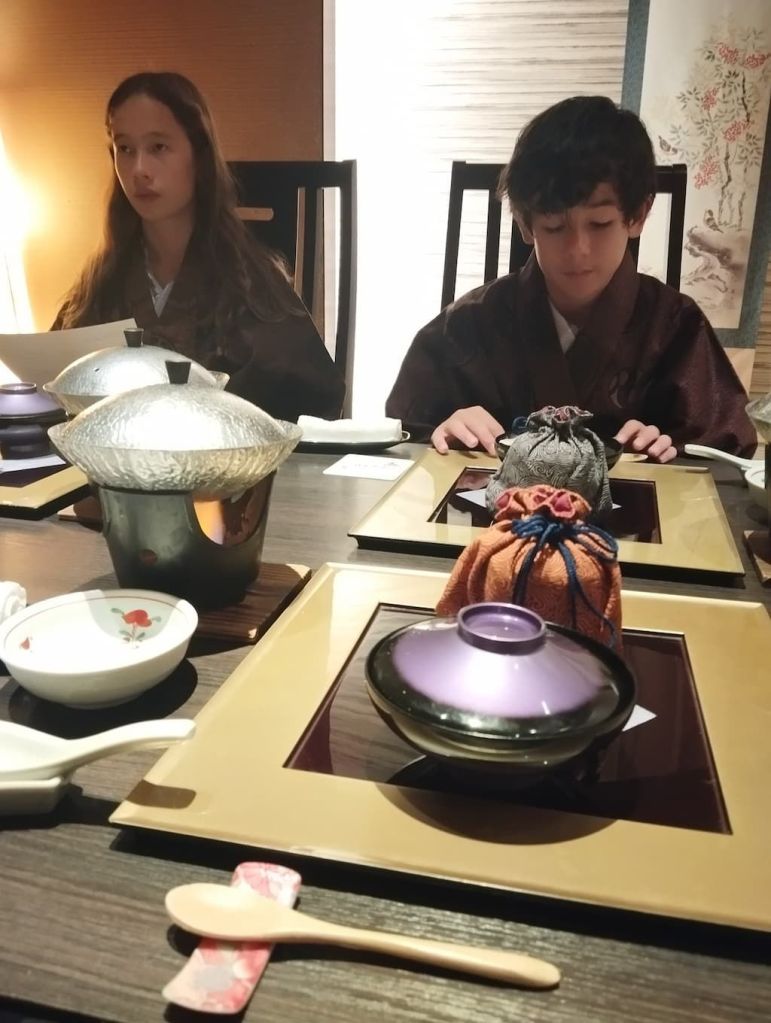
Kaiseki dining is a private indulgence of the highest pinnacle of Japanese culinary arts. A culinary experience where taste, texture and aesthetics come together. It also fully encompass the practice of “Omotennashi” a Japanese philosophy of heartfelt hospitality, making it a highly anticipated culinary experience for every apres-ski.
In the snow dusted quiet corridors of a traditional ryokan, the frantic pace of the modern world melts away. The meditative atmosphere, the science of traditional Japanese bath and the fine art of culinary mastery encapsulates the perfect apres ski event for any snow warriors.
Japan is a nation forged on fire. In Nagano, ice and fire are never opposing forces. Instead they are two halves of a holistic ritual that has endured through the test of time.


