Where Heritage and Ancestry Ensued Through Thai Gastronomy
A New Chapter in POTONG And What To Expect
POTONG Bangkok reopened on 16 June 2026 following a two-month facelift with a reduced seating capacity, in a bet that smaller is better.
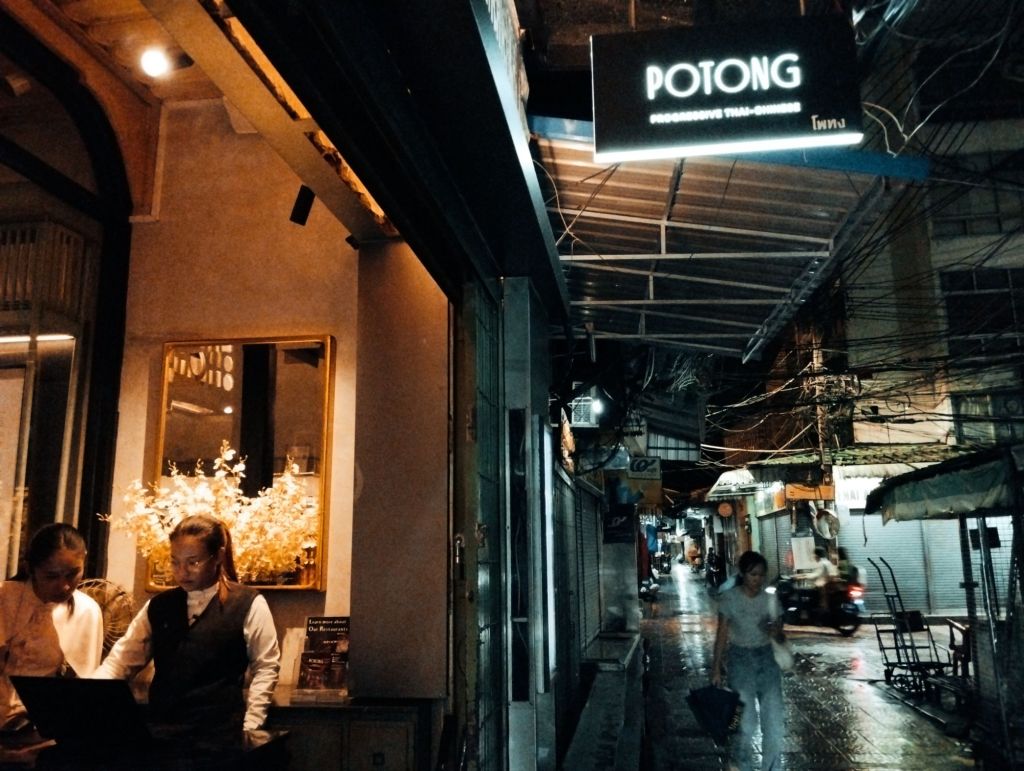
In the quiet of the dark at the heart of Bangkok’s Chinatown, light rain drums on the zinc roofs. Tuk-tuks waiting in line for their next passenger. Tucked at an unpretentious corner, behind an old shutter gate and an overhead white neon sign, sits a 1 Michelin Star upscale glass front restaurant celebrated for its progressive Thai-Chinese cuisine.
POTONG, loosely translated as “Ordinary” in Chinese is far from ordinary. An iconic building that it already was, continues to be a living tale of its own today. Pichaya Soontornyanakji, the brainchild of POTONG, reigns at the helm and the group’s successful arsenal of restaurants and bars in Thailand and abroad.
Commonly known as Chef Pam, she has been crowned and awarded numerous accolades in multiple awards for her outstanding contribution in Thai gastronomy in and across Asia. Undeniably the most celebrated female chef in the gourmet world, Chef Pam expresses creativity, history and family heritage through culinary innovation built on a scaffold of nostalgia.
The building, also her home, is the foundation where heritage and ancestry ensued through Thai gastronomy.
POTONG Unveils A Deliberately Smaller Seating Capacity

The 5-storey Sino Portuguese shophouse has a history of 120 years with origins rooted in Chinese traditional medicine of which, Chef Pam is its 4th generation of descendants.
The ground floor is a front facing waiting area where diners are served aperitifs before being escorted to the main dining halls. In the early days, the same was a storefront for the family’s medicine dispensary hall.
The century old wood ceiling, a repurposed bunker from the Second World War and a chest of apothecary drawers remain visual anchors and reminders of the family’s history.
Second and Third levels housed the main dining halls of POTONG’s tasting courses. Here, you will find preserved heritage of old fashioned screen panels, glass stained windows, Chinese hand painted crafts and a elaborate shrine setting. Like a living museum, diners transcend through layers of time over the course of POTONG’s culinary pleasures.
At the top of the building, is a definitive space reserved for soaking up the panoramic view of Chinatown. Opium Bar as it is now called, used to be where family ancestors gathered when opium was legal at the time.
Featuring a huge Chinese day bed and a private collection of opium apparatus, Diners gather and loosen up here with POTONG’s mixology of various concoctions to complete the dining experience.
So what changed within the establishment? Other than the routine repair works, the reopening unveils a redesigned layout of the two levels of dining halls, now with reduced seating capacity of a total of 28 from the previous 40.
Each level features a seating capacity of 14 which includes a private dining room on one of the level that seats 10. Investments have also been directed backstage where kitchen and cellar receive major upgrades for a better operation workflow and working environment for its employees.
A smaller setting, POTONG believes will offer diners an elevated dining experience that comes with more privacy and space. Unhurried moments to savor the present and an improved connection between diners and the restaurant working team is what the new facelift has been intended for.
fixing the “too much too fast” service problem.
POTONG’s New Seasonal Menu Strengthens Conviction To Support Local Farmers And Fishermen
POTONG has always pride itself on an inventive culinary approach. Experimenting with elements of palate science; salt, acid, spice and texture and with the Maillard reaction process to curate the most complex of flavors and aromas. Above all, the fundamental core of POTONG’s culinary success is in the ingredients.
POTONG operates with a vision of continued collaboration with local farmers, fishermen and producers for the freshest of seasonal ingredients and products.
Ranong is located directly on the coast of the Andaman Sea and the region has been famous for its fresh catches. Following POTONG’s reopening, the restaurant launches a new seasonal menu where Ranong’s prized seasonal roes will be served to spotlight the Andaman Sea’s harvesting season of young tidal crabs from June to mid November
The dish is served with coriander and spring onion steamed rice with green mango chilli sauce topped with sweet crab meat.
The aroma of rice, with the freshness of herbs is layered with Thai sauce acidity and sweetened by the crab meat. The layer of fat at the top deepens the overall composition, with each ingredient retaining their individual characters before unifying on the palate as each spoonful is gathered through the layers.
Nakhon Si Thammarat’s long coastline along the Gulf of Thailand makes it an incredible destination for massive fresh seafood. The region is famed for its giant tiger prawns and freshwater river prawns.
POTONG’s new seasonal menu also features Nakhon Si Thammarat tiger prawn draped across a single sheet of rice noodle created to resemble the Thai national flag.
A comfort signature dish in Thailand, Pad Thai, presented by POTONG in its most abstract and distilled form, yet with all flavours remaining faithful to its origin. The dish is served with tea to clear the palate in anticipation for more deeper flavours to come.
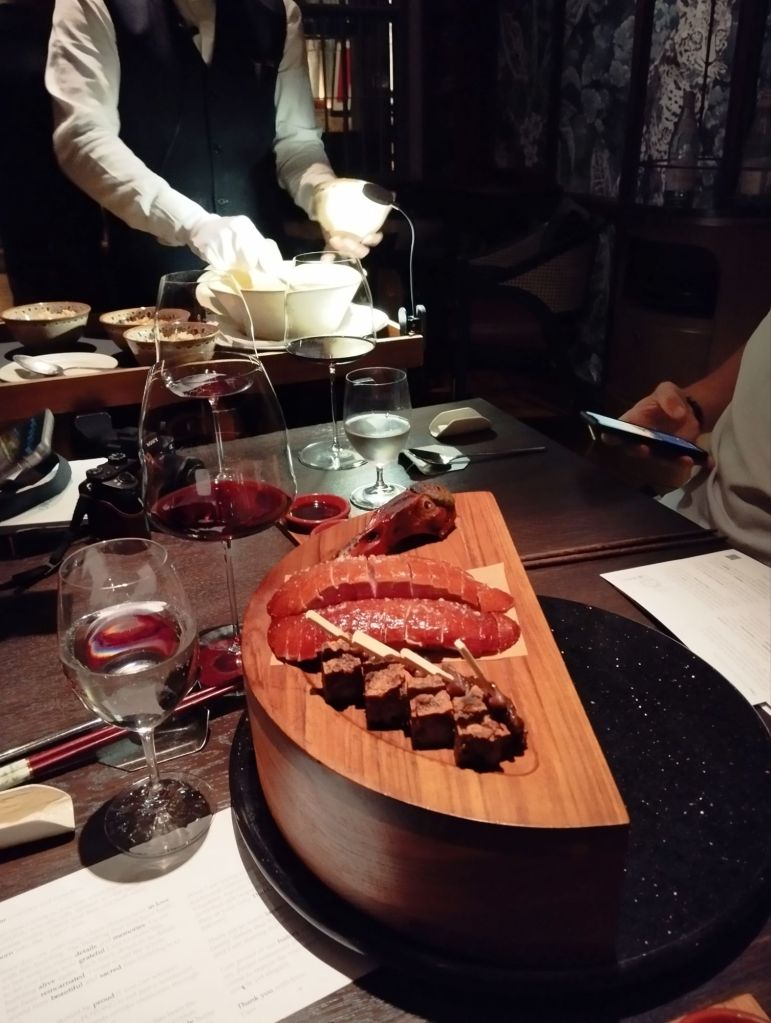
Nothing short of a theatrical culinary moment, POTONG surprises diner with the presentation of a plump and lacquered whole five spice roasted duck from the Chachoengsao province, glistering under the dim dining lights. Different parts of the duck are then divided into different preparations.
A portion is served without sauce so that the five spice seasoning of the succulent meat and crisp skin can be savoured directly. This un sauced preparation cast a spotlight on the precision cooking of the duck.
Another separate portion is dressed with duck jus that adds an additional depth to the duck with porcini mushrooms and pickles, providing a sharp contrast to its richness and from becoming too overpowering then monotonous.
POTONG’s close collaboration with local farmers and fishermen not only assure the restaurant’s access to fresh seasonal ingredients and products, it also ensures long term continuity to champion regional Thai ingredients and products in its menu; a definitive “here to stay” narrative than just a passing rhetoric.
POTONG’s Story On The Other Side Of The Plate: Of Fierce Rivalry And Power Dynamics In The Industry
A new seasonal menu, not a reinvention but one that is for championing Thai culinary culture and supporting the local agriculture and fishery community. A re-designed layout intended to be deliberately smaller albeit in an industry where growth equates success. To understand how smaller is a better bet for POTONG’s future, we need to look at the other side of the plate. The reality of an an industry of fierce rivalry and power dynamics in the world of gastronomy.
Thailand is a cornucopia of culinary surprises and the fine dining culture is pivoting towards staggering and exponential growth. According to the latest edition of the Thailand Micheline Guide, among the featured 468 restaurants, two have been awarded a Three- Star status, 33 One- Star and a growing “Michelin Bib Gourmand” awarded to restaurants serving high quality food without the exorbitant price; anywhere from local street stalls to casual eateries.
Thai gastronomy has not only peaked but interestingly evolved to one that fully embraces a culinary philosophy that is uniquely local, almost or completely abandoning the interpretations of Western epicure.
Today, top chefs who used to train abroad are paying homage to Thai culture, reinterpreting and curating dishes at the highest level that they call their own. The apparent fine line that used to divide haute cuisine from street food gets fainter as both school of thoughts start colliding and heading towards a collaborative union.
This growth has also fueled a rising trend of high-handed story telling to cement the identity and success behind many of Thailand’s top restaurants.
This fierce rivalry dynamics are pushing restaurateurs to implore deeper into their souls and origins to create meaning narratives synonymous with their dishes to stand out from the crowd.
What actually do end up is start seeing a generation of restaurateurs pitching for success through marketing narratives that align with some form of heritage, culture preservation or even childhood memories seen through the lens of food, then scattered strands of luxury threads weaved into the mix for completion. Ideas and personal visions that essentially started from a good place became repeated like a broken record, ending up too formulaic and annihilating authenticity.
Heavy is the head that wears the crown. POTONG, the most celebrated Michelin starred Thai Chinese progressive restaurant is not without challenges.
On the other side of the plate, diners are often confronted with a long wait list for months on end. Reviews were mixed on hyped pricing, heavy-handed up-selling and an often crowded dining room less than appealing. The restaurant’s success has also reflected a rising trend of story-telling driven menu behind many of Thailand’s top restaurants. The fierce rivalry dynamics has pushed restaurateurs to digging deeper into their souls and origins to create meaningful narratives synonymous with their dishes for differentiation. What ends up is the becoming of a generation of restaurateurs claiming to preserve tradition and heritage through food like a broken record; a narrative that came from a good place ending up becoming too formulaic, and annihilating authenticity.
Deliberately Smaller For Better Connection And Continuity
“A story this personal was never meant for a crowd”
While chefs all over are busy framing dishes to long lost traditional recipes, ancestry heritage or even childhood memories, in May this year, POTONG announced temporary closure for renovation. The restaurant reopened on the 16 June, revealing re-designed layout with a renewed seating capacity from the previous 40 reduced to 28. A seating capacity of 14 divided between both levels of dining halls, inclusive of a private dining room for 10; a controversial move, considering a celebrated restaurant deliberately transforming to be smaller.
The renovation has also see its investment directed backstage where kitchen and cellar receive a major upgrade to improve operation workflow and a better working environment for its employees. An elevated dining experience with more intimate space for privacy and improved connection between diners and the working team. An unhurried pace to savor and soak up on the surroundings, fixing the “too much too fast” service problem.
A new seasonal menu was also launched. Less of a re-invention but more of debuting strengthened relationships with local fishermen and farmers to ensure continuity of Thailand regional products as a “here to stay” feature in the menu, not just a passing rhetoric. Some of the tasting courses include
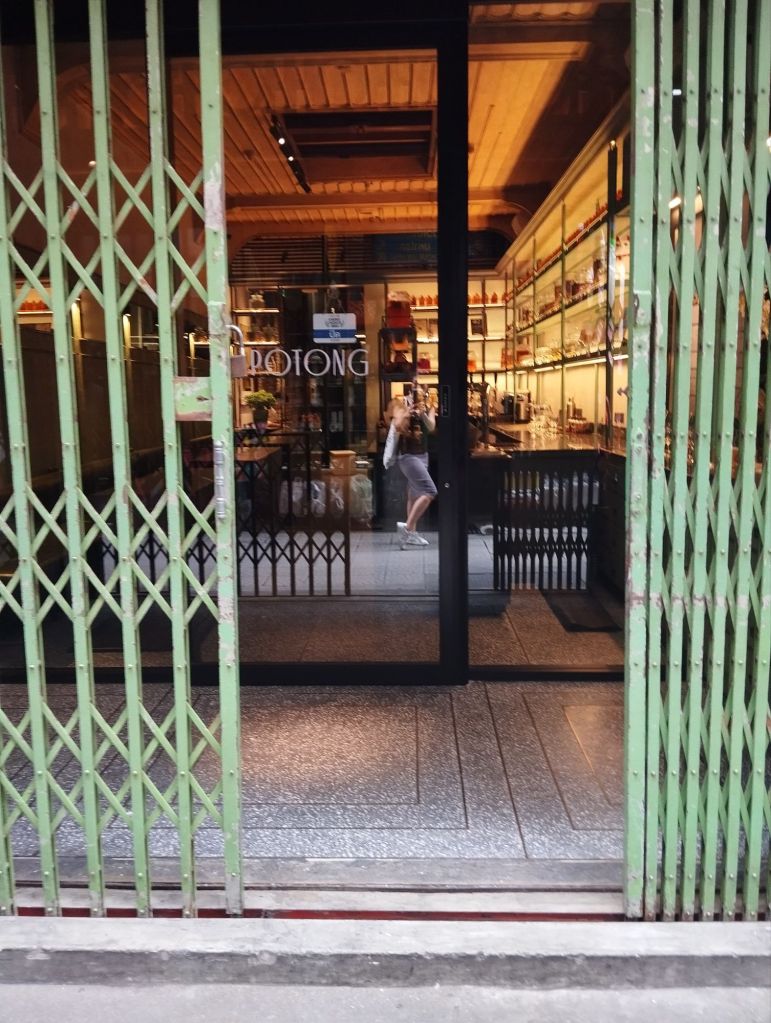
So what’s next for POTONG in an industry where growth equates success. Nothing too dramatic. Nothing that will ask the building to be more than what it is. It will still be that building in Yaowarat still standing, full of its usual apothecary drawers. The same white neon sign and iron shutter gates guarding the glass front among other buildings in wrought iron.
One building, one family and one heritage, in singularity. Refusing to morph into what the outside world demands of it. Perhaps, a story this personal was never meant for a crowd, POTONG’s most radical statement yet as its new chapter of culinary story unfolds.


